Step. 1
Power ON device

RK3566 Quad-core Cortex-A55 64-bit 1.8GHz CPU, Linux edge computing, SX1302 + SX1250 LoRaWAN Gateway
Heltec offers the most cutting-edge LoRaWAN-supported hotspot available today, the HT-M2802. This high-performance hotspot is specifically designed to provide wireless network coverage to the IoT network. The LoRa technology utilized in this hotspot has an extensive range, allowing for the connection of thousands of IoT devices to a single hotspot. Furthermore, the HT-M2802 allows IoT devices located miles away to connect using LoRa technology, with data transmission occurring over distances much greater than Wi-Fi. In addition, the hotspot boasts a sleek and modern design, which enables it to be placed conveniently anywhere. The HT-M2802 is also ready-to-use right out of the box.
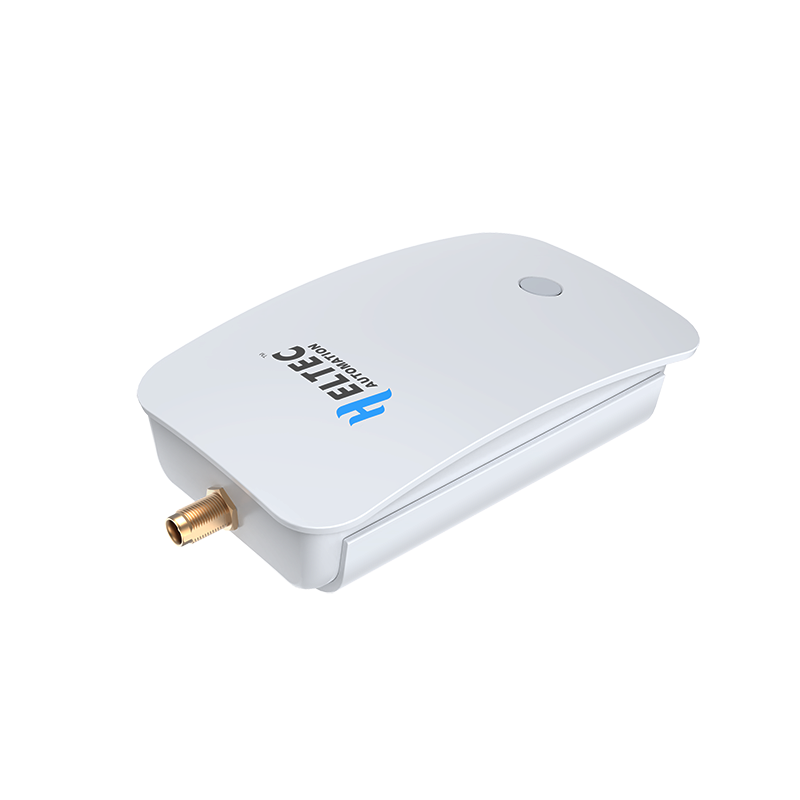
MTK7628 Processor and SX1302 + SX1255 LoRaWAN gateway, Ethernet, Wi-Fi
$89.00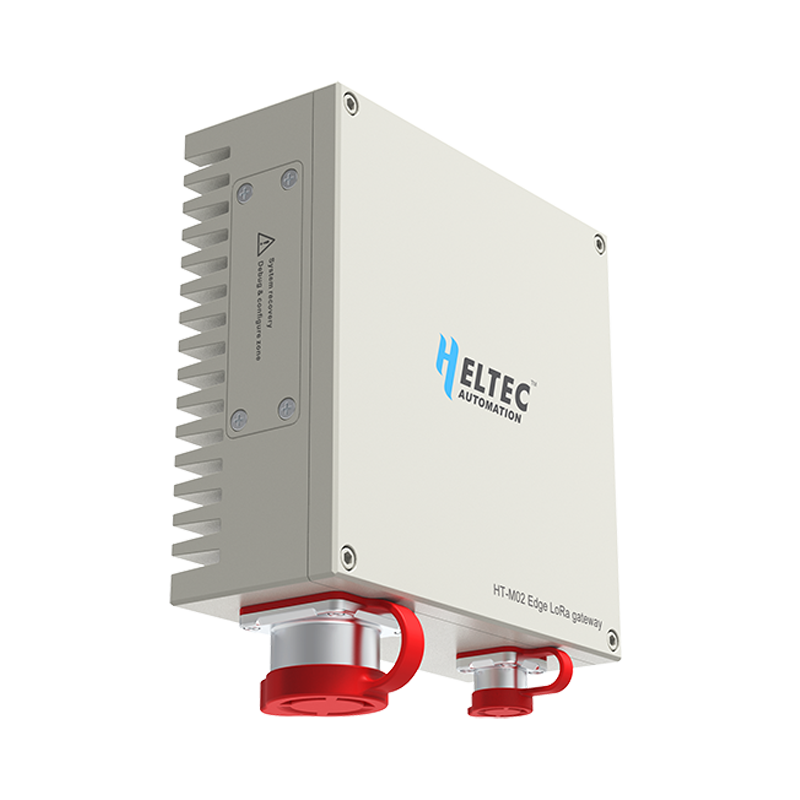
RK3566 Quad-core Cortex-A55 64-bit 1.8GHz CPU, Linux edge computing, SX1302 + SX1250 LoRaWAN Gateway
$229.00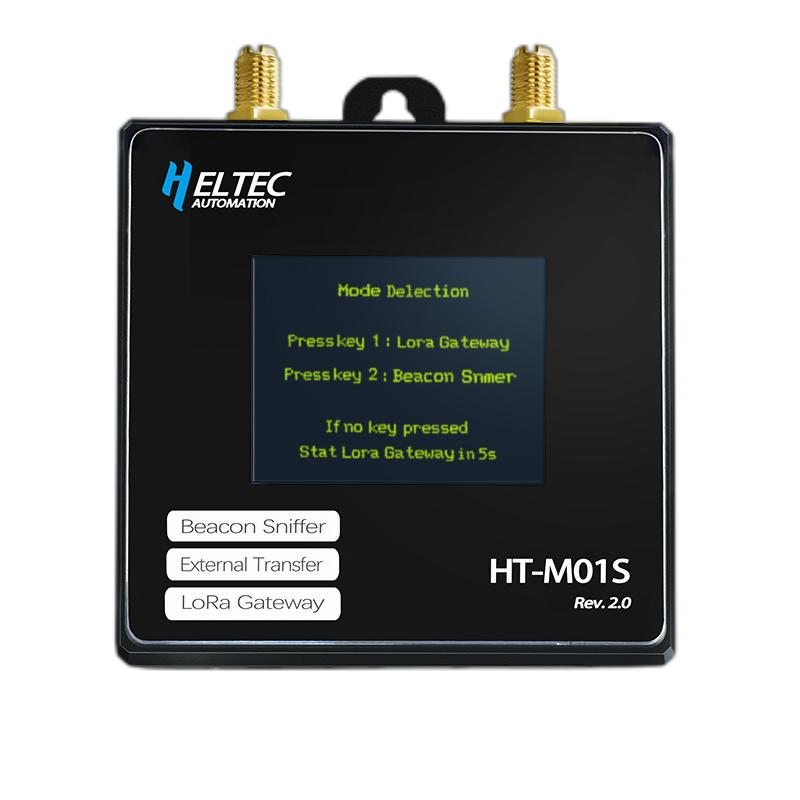
ESP32 + SX1302 LoRaWAN gateway, with TFT display, LoRaWAN signal sniffing, signal coverage testing, and on-site debugging.
$79.00Current product
HT-M2802 Indoor Edge LoRa Gateway
Heltec offers the most cutting-edge LoRaWAN-supported hotspot available today, the HT-M2802. This high-performance hotspot is specifically designed to provide wireless network coverage to the IoT network. The LoRa technology utilized in this hotspot has an extensive range, allowing for the connection of thousands of IoT devices to a single hotspot. Furthermore, the HT-M2802 allows IoT devices located miles away to connect using LoRa technology, with data transmission occurring over distances much greater than Wi-Fi. In addition, the hotspot boasts a sleek and modern design, which enables it to be placed conveniently anywhere. The HT-M2802 is also ready-to-use right out of the box.
| Parameters | Description |
|---|---|
| CPU | Quad-core Cortex-A55 64-bit 1.8GHz |
| RAM | 2G DDR4 |
| ROM | 32G eMMC 5.1 |
| LoRa baseband | SX1303 + SX1250 chipset |
| ADC Resolution | 14bits |
| Interface | 5.5mm diameter socket · RJ45 socket · Anti-theft lock hole · Power Button with Blue LED · SMA Socket · Type C Socket · 1mm diameter hole |
The default packing list without selecting any accessories is as follows:
| Item | Quantity |
|---|---|
| Heltec Indoor Hotspot (HT-M2802) | x1 |
| 12V 1 3A DC Adapter | x1 |
| DC Adapter110/220Vpower wire | x1 |
| Antenna | x1 |
The Internet of Things (IoT) is a network of smart devices that communicate with each other, exchanging large amounts of data. This produces a huge amount of data that needs to be processed and analyzed. To make this happen more efficiently, edge computing is used. Edge computing is a strategy for computing on location where data is collected or used. It allows IoT data to be gathered and processed at the edge, rather than sending the data back to a datacenter or cloud. Together, IoT and edge computing are a powerful way of rapidly analyzing data in real-time.
Edge devices refer to physical hardware that is located in remote locations at the edge of the network. These devices have enough memory, computing resources, and processing power to collect data, process it, and execute upon it almost in real-time, without requiring much help from other parts of the network.
On the other hand, IoT devices are physical objects that have been connected to the internet and are the source of data. Edge devices are where the data is collected and processed.
Edge devices become part of the IoT when the object has enough compute and storage to make low-latency decisions and process data in milliseconds. Although the terms IoT device and edge device are sometimes used interchangeably, they refer to distinct concepts.
Yes.
No, because different RF frequencies require different impedance matching, and the operating frequency band of the device must be within the range supported by the hardware.
The following are references for the corresponding working frequency bands of each version:
All HT-M02 series can upgrade firmware via OTA or TF Card.
Yes. But there is no LBT support in the 902~928 version, but if your order address is in Korea, our staff will contact you to confirm if LBT support is needed.
If your gateway is set to WiFiClient mode and you can’t find its IP or can’t get in, you can:
Customer reviews for this product will appear here when available.
Markdown is supported. Switch between editing and previewing your message.
MTK7628 Processor and SX1302 + SX1255 LoRaWAN gateway, Ethernet, Wi-Fi
$89.00RK3566 Quad-core Cortex-A55 64-bit 1.8GHz CPU, Linux edge computing, SX1302 + SX1250 LoRaWAN Gateway
$229.00ESP32 + SX1302 LoRaWAN gateway, with TFT display, LoRaWAN signal sniffing, signal coverage testing, and on-site debugging.
$79.00Heltec offers the most cutting-edge LoRaWAN-supported hotspot available today, the HT-M2802. This high-performance hotspot is specifically designed to provide wireless network coverage to the IoT network. The LoRa technology utilized in this hotspot has an extensive range, allowing for the connection of thousands of IoT devices to a single hotspot. Furthermore, the HT-M2802 allows IoT devices located miles away to connect using LoRa technology, with data transmission occurring over distances much greater than Wi-Fi. In addition, the hotspot boasts a sleek and modern design, which enables it to be placed conveniently anywhere. The HT-M2802 is also ready-to-use right out of the box.
| Parameters | Description |
|---|---|
| CPU | Quad-core Cortex-A55 64-bit 1.8GHz |
| RAM | 2G DDR4 |
| ROM | 32G eMMC 5.1 |
| LoRa baseband | SX1303 + SX1250 chipset |
| ADC Resolution | 14bits |
| Interface | 5.5mm diameter socket · RJ45 socket · Anti-theft lock hole · Power Button with Blue LED · SMA Socket · Type C Socket · 1mm diameter hole |
The default packing list without selecting any accessories is as follows:
| Item | Quantity |
|---|---|
| Heltec Indoor Hotspot (HT-M2802) | x1 |
| 12V 1 3A DC Adapter | x1 |
| DC Adapter110/220Vpower wire | x1 |
| Antenna | x1 |
The Internet of Things (IoT) is a network of smart devices that communicate with each other, exchanging large amounts of data. This produces a huge amount of data that needs to be processed and analyzed. To make this happen more efficiently, edge computing is used. Edge computing is a strategy for computing on location where data is collected or used. It allows IoT data to be gathered and processed at the edge, rather than sending the data back to a datacenter or cloud. Together, IoT and edge computing are a powerful way of rapidly analyzing data in real-time.
Edge devices refer to physical hardware that is located in remote locations at the edge of the network. These devices have enough memory, computing resources, and processing power to collect data, process it, and execute upon it almost in real-time, without requiring much help from other parts of the network.
On the other hand, IoT devices are physical objects that have been connected to the internet and are the source of data. Edge devices are where the data is collected and processed.
Edge devices become part of the IoT when the object has enough compute and storage to make low-latency decisions and process data in milliseconds. Although the terms IoT device and edge device are sometimes used interchangeably, they refer to distinct concepts.
Yes.
No, because different RF frequencies require different impedance matching, and the operating frequency band of the device must be within the range supported by the hardware.
The following are references for the corresponding working frequency bands of each version:
All HT-M02 series can upgrade firmware via OTA or TF Card.
Yes. But there is no LBT support in the 902~928 version, but if your order address is in Korea, our staff will contact you to confirm if LBT support is needed.
If your gateway is set to WiFiClient mode and you can’t find its IP or can’t get in, you can:
Customer reviews for this product will appear here when available.
Markdown is supported. Switch between editing and previewing your message.
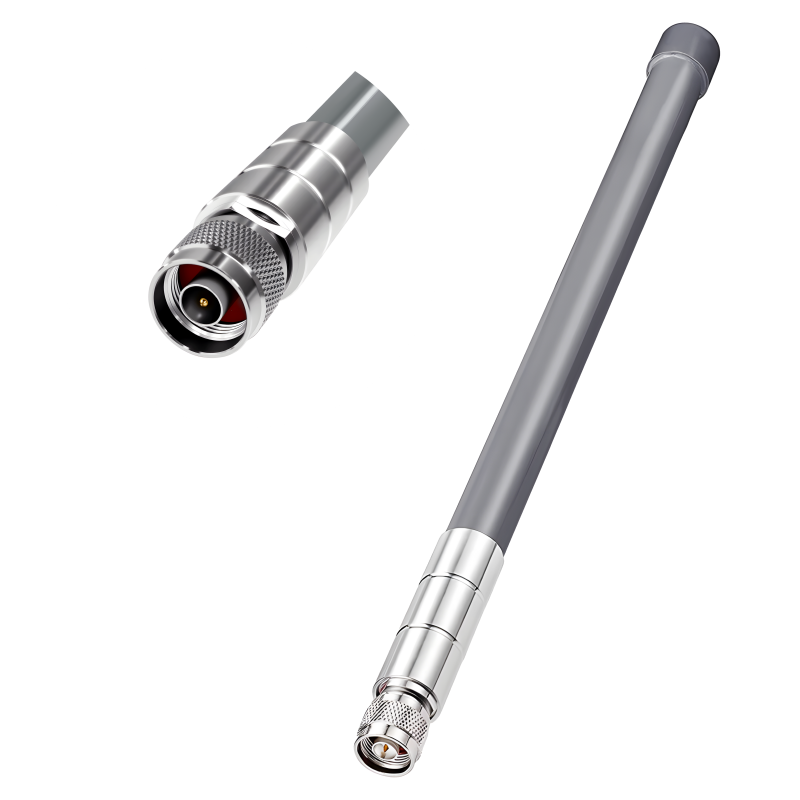
N type socket fiberglass omni antenna
$12.90