Rich Ecosystem
- Supports open-source projects such as Meshtastic and MeshCore.
- Provides an Arduino-based SDK with examples for LoRa/LoRaWAN, GNSS, and more.
- Compatible with platforms like ESP32-IDF, PlatformIO, and MicroPython.Rich Interfaces

ESP32-S3 +GPS+LoRa Node, Meshtastic, MeshCore and LoRaWAN Compatible
The Wireless Tracker V2 is built around the ESP32-S3FN8 and integrates the SX1262LoRa chip along with the UC6580 GNSS chip.
This new generation Wireless Tracker V2 incorporates a power amplifier, achieving a maximum transmission power of up to 28±1dBm. The LNA can be bypassed without affecting reception performance.
The Wireless Tracker V2 features LDS antennas for both GNSS and 2.4G, significantly reducing the device’s size.
It is widely used in fields such as personnel positioning, asset tracking, LoRaWAN, Meshtastic, and MeshCore.
Current product
Wireless Tracker V2
The Wireless Tracker V2 is built around the ESP32-S3FN8 and integrates the SX1262LoRa chip along with the UC6580 GNSS chip.
This new generation Wireless Tracker V2 incorporates a power amplifier, achieving a maximum transmission power of up to 28±1dBm. The LNA can be bypassed without affecting reception performance.
The Wireless Tracker V2 features LDS antennas for both GNSS and 2.4G, significantly reducing the device’s size.
It is widely used in fields such as personnel positioning, asset tracking, LoRaWAN, Meshtastic, and MeshCore.
| Parameters | Description |
|---|---|
| MCU | ESP32-S3FN8 (Xtensa®32-bit lx7 dual core processor) |
| LoRa Chip | SX1262 |
| GNSS Chip | UC6580 |
| Frequency | 863~928MHz |
| Max. TX Power | 28±1dBm |
| Max. Receiving Sensitivity | -134dBm |
| Wi-Fi | 802.11 b/g/n, up to 150Mbps |
| Bluetooth LE | Bluetooth 5; Bluetooth mesh |
| Hardware Resource | 7 * ADC1 + 2 * ADC2; 7 * Touch; 3 * UART; 2 * I2C; 2 * SPI; etc. |
| Memory | 8MB Flash; 512KB SRAM; 384KB ROM; 16KB RTC SRAM |
| Interface | Type-C USB; 1.25mm*2P lithium battery interface; 1.25mm*2P DC interface; · LoRa ANT(IPEX1.0); · GNSS ANT(IPEX1.0); · 2 * 18 * 2.54 Header Pin |
| Battery | 3.7V(3V-4.2V) lithium battery power supply and charging |
| Operating Temperature | -20 ~ 70 ℃ |
| Dimensions | 52.00 * 25.40 * 10.26 mm |


The default packing list without selecting any accessories is as follows:
| Item | Quantity |
|---|---|
| Wireless Tracker | x1 |
| Spring LoRa Antenna | x1 |
| SH1.25×2 Battery Connector | x1 |
| Pin Header | x2 |
Enter the Bootloader mode: connect the USB cable, press and hold the ‘USER’ key, then press the ‘RST’ key once. Finally, release the ‘USER’ key.
Try a different data cable.Check if the USB cable supports data transfer by verifying if the connected cell phone supports file transfer.
To eliminate static interference, a common method is to hold the USB-C interface of the board with one hand while touching a well-grounded metal object, such as a metal water pipe in your home, with the other hand.
If your operating system is Windows 7/8, you need to install the driver: ESP32 USB-Serial-JTAG
Connect the serial port and check whether the node is activated. If the node is not activated, refer to this link to activate it: https://docs.heltec.org/general/how_to_use_license.html.
GNSS requires open outdoor environments or try with an external antenna.
"The development board is connected to the LDS antenna by default. If you need to use the IPEX interface to connect an external GNSS antenna, as shown in the figure below, move the resistor in the red box half a grid to the position of the green box. The dashed line in the figure indicates the routing of the antenna feeder when using different interfaces.
"
The firmware supports it, but the default LDS antenna is an L1 antenna.
Customer reviews for this product will appear here when available.
Markdown is supported. Switch between editing and previewing your message.
The Wireless Tracker V2 is built around the ESP32-S3FN8 and integrates the SX1262LoRa chip along with the UC6580 GNSS chip.
This new generation Wireless Tracker V2 incorporates a power amplifier, achieving a maximum transmission power of up to 28±1dBm. The LNA can be bypassed without affecting reception performance.
The Wireless Tracker V2 features LDS antennas for both GNSS and 2.4G, significantly reducing the device’s size.
It is widely used in fields such as personnel positioning, asset tracking, LoRaWAN, Meshtastic, and MeshCore.
| Parameters | Description |
|---|---|
| MCU | ESP32-S3FN8 (Xtensa®32-bit lx7 dual core processor) |
| LoRa Chip | SX1262 |
| GNSS Chip | UC6580 |
| Frequency | 863~928MHz |
| Max. TX Power | 28±1dBm |
| Max. Receiving Sensitivity | -134dBm |
| Wi-Fi | 802.11 b/g/n, up to 150Mbps |
| Bluetooth LE | Bluetooth 5; Bluetooth mesh |
| Hardware Resource | 7 * ADC1 + 2 * ADC2; 7 * Touch; 3 * UART; 2 * I2C; 2 * SPI; etc. |
| Memory | 8MB Flash; 512KB SRAM; 384KB ROM; 16KB RTC SRAM |
| Interface | Type-C USB; 1.25mm*2P lithium battery interface; 1.25mm*2P DC interface; · LoRa ANT(IPEX1.0); · GNSS ANT(IPEX1.0); · 2 * 18 * 2.54 Header Pin |
| Battery | 3.7V(3V-4.2V) lithium battery power supply and charging |
| Operating Temperature | -20 ~ 70 ℃ |
| Dimensions | 52.00 * 25.40 * 10.26 mm |
The default packing list without selecting any accessories is as follows:
| Item | Quantity |
|---|---|
| Wireless Tracker | x1 |
| Spring LoRa Antenna | x1 |
| SH1.25×2 Battery Connector | x1 |
| Pin Header | x2 |
Enter the Bootloader mode: connect the USB cable, press and hold the ‘USER’ key, then press the ‘RST’ key once. Finally, release the ‘USER’ key.
Try a different data cable.Check if the USB cable supports data transfer by verifying if the connected cell phone supports file transfer.
To eliminate static interference, a common method is to hold the USB-C interface of the board with one hand while touching a well-grounded metal object, such as a metal water pipe in your home, with the other hand.
If your operating system is Windows 7/8, you need to install the driver: ESP32 USB-Serial-JTAG
Connect the serial port and check whether the node is activated. If the node is not activated, refer to this link to activate it: https://docs.heltec.org/general/how_to_use_license.html.
GNSS requires open outdoor environments or try with an external antenna.
"The development board is connected to the LDS antenna by default. If you need to use the IPEX interface to connect an external GNSS antenna, as shown in the figure below, move the resistor in the red box half a grid to the position of the green box. The dashed line in the figure indicates the routing of the antenna feeder when using different interfaces.
"
The firmware supports it, but the default LDS antenna is an L1 antenna.
Customer reviews for this product will appear here when available.
Markdown is supported. Switch between editing and previewing your message.
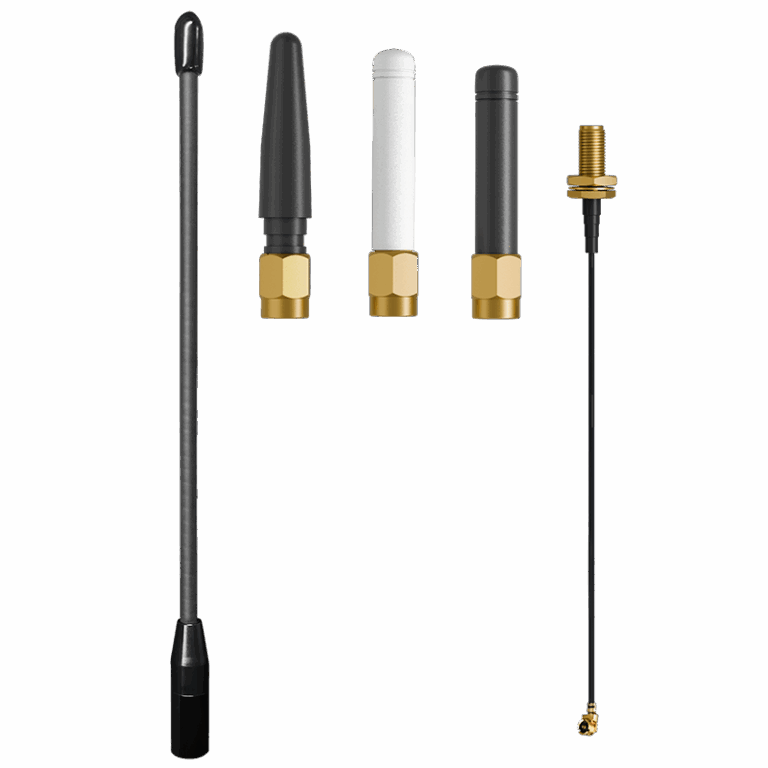
SMA antenna and its corresponding IPEX-SMA adapter cable
$0.90
Waterproof Enclosure for Outdoor Meshtastic/MeshCore
$45.20